
Canneries on the Skeena
by Charles LeRoss

The first fish cannery in northern British Columbia was built on the Skeena River at Inverness in 1876. It was only 6 years earlier in 1870 that the first cannery was built in British Columbia on the Fraser River. Over the next 44 years a total of 18 canneries would be built near the mouth of the Skeena River with Cassiar Cannery being the final cannery to close down in 1983.
First Nations peoples had harvested salmon from the Skeena River for thousands of years before the whitemen came along. It was probably the most important food source they had. With their preservation efforts, salmon would sustain them through the year.
At first, the salmon canneries preserved the fish with salt, cleaning and cutting the fish into two slabs, and layering the fish, with salt, into large barrels called tierces. You can see this process in the short film I found at Library and Archives Canada. Preserving fish in the barrels, weighting 500 to 800 lbs was commercially viable until canning slowly took over. Canneries were always built along the water which allowed them to dump the fish offal into the water where they depended on the river or tide to carry the offal away, and gave easy access for the fishing boats to bring the fish direct to the cannery. The canneries depended on a source of clean fresh water, both for domestic use but also for cleaning the butchered fish.
Canning slowly took over from the barrels, and at first tin sheets were brought to the canneries each year and men laboriously manufactured the thousands of cans that would be filled. Later on machines would do this work.
Each cannery would maintain boats and fishnets that they would rent to fishermen, who, in pairs, would go out in the small, open boats and fish until the boat was full of fish. A tender would take the fish to the cannery as required.
It was the Japanese that did most of the fishing. See this post on what was involved in fishing at the mouth of the Skeena River in an open boat for days at a time. At the cannery, Chinese did most of the butchering until the iron butcher came along and replaced the manual butchering. See my post about the Smith Butchering Machine that could remove the head, fins, cut open and remove the guts, and cut the tail off a salmon in a little over a second.
After the fish were butchered and cleaned, the First Nations workers did the cutting and filling the cans.
Once the cans were filled and closed they were cooked in huge steam powered ovens called retorts.
The only surviving cannery on the Skeena River is North Pacific Cannery which is now a National Historic Site and well worth a visit.
Another website dedicated to the history of canneries is at http://tidestotins.ca/home/ which includes a timeline of cannery activity in British Columbia as well as a game on building and managing a cannery!
There is a lot more to the operation of a cannery that is not covered in this brief article. Several books have been written about working and living at a cannery:
- Salmon Canneries: British Columbia North Coast by Gladys Young Blyth.
- Memories of the Skeena by Walter Wicks.
- Skeena – A River Remembered by Joan Skogan.
Aberdeen Cannery

Alexandria Cannery
Balmoral Cannery
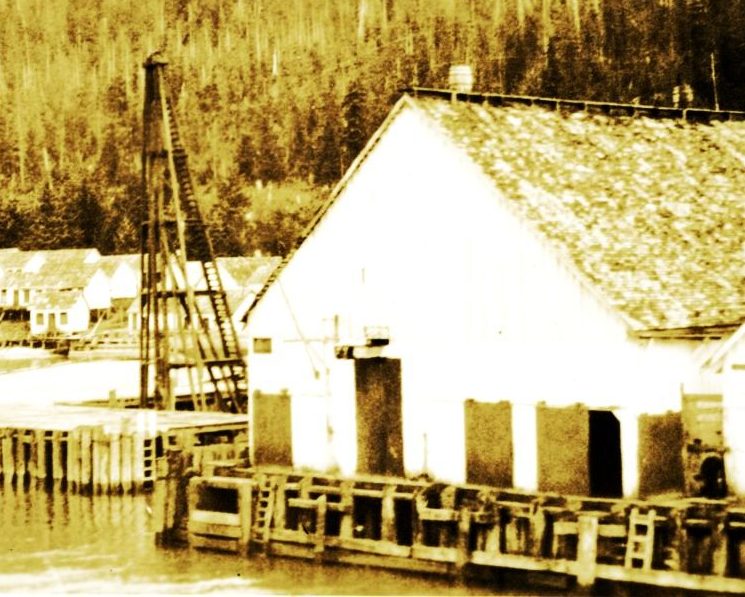
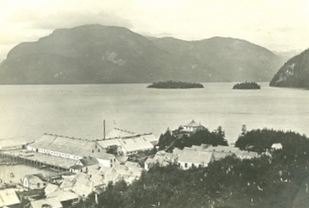
British American Cannery
Carlisle Cannery
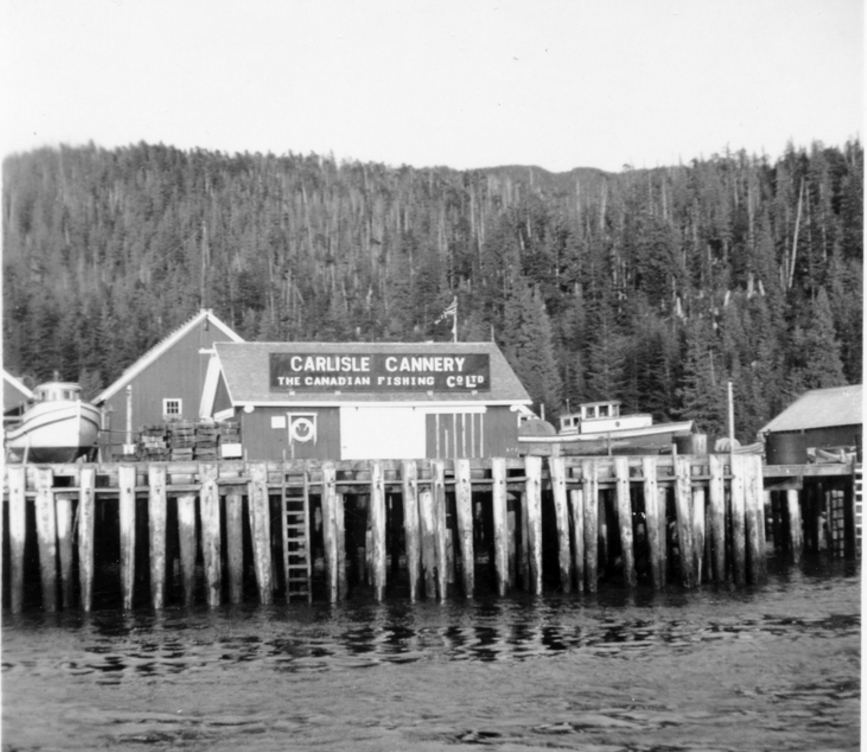
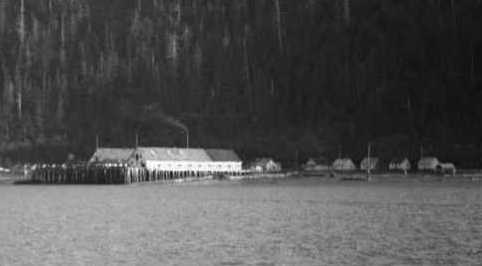
Cassiar Cannery
Claxton Cannery
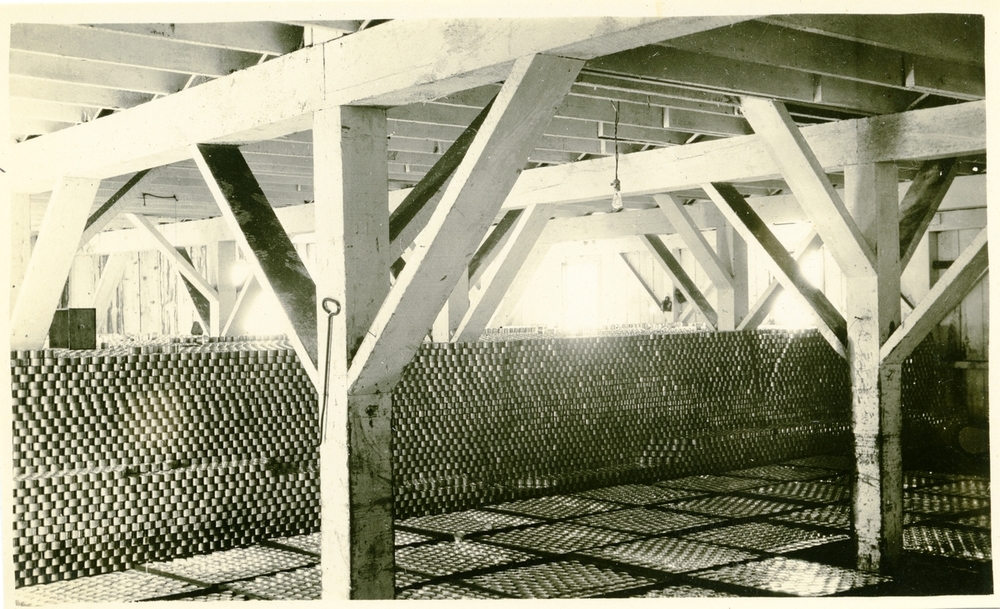
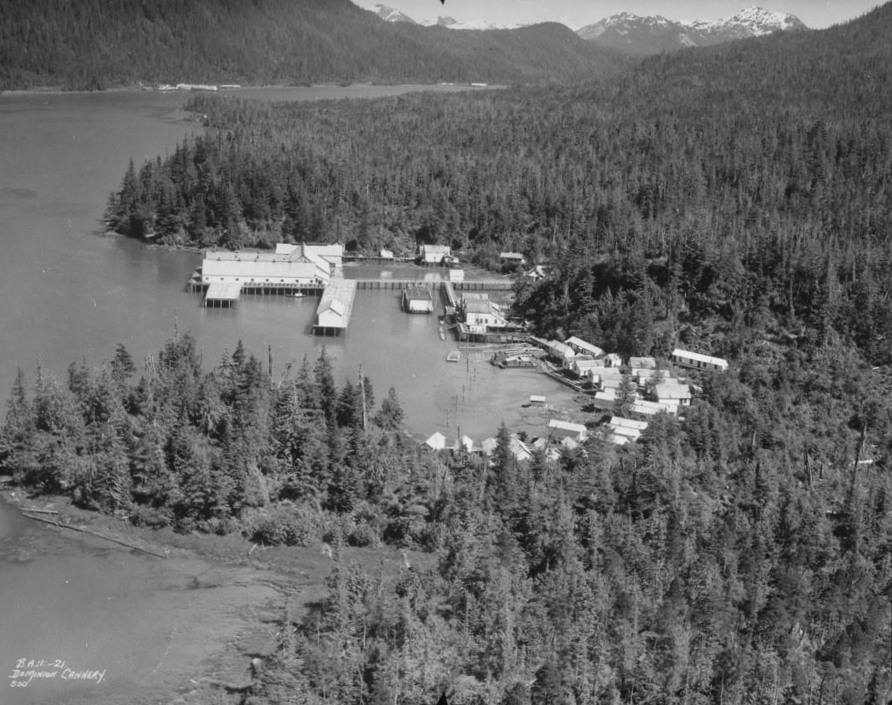
Dominion Cannery
Haysport Cannery
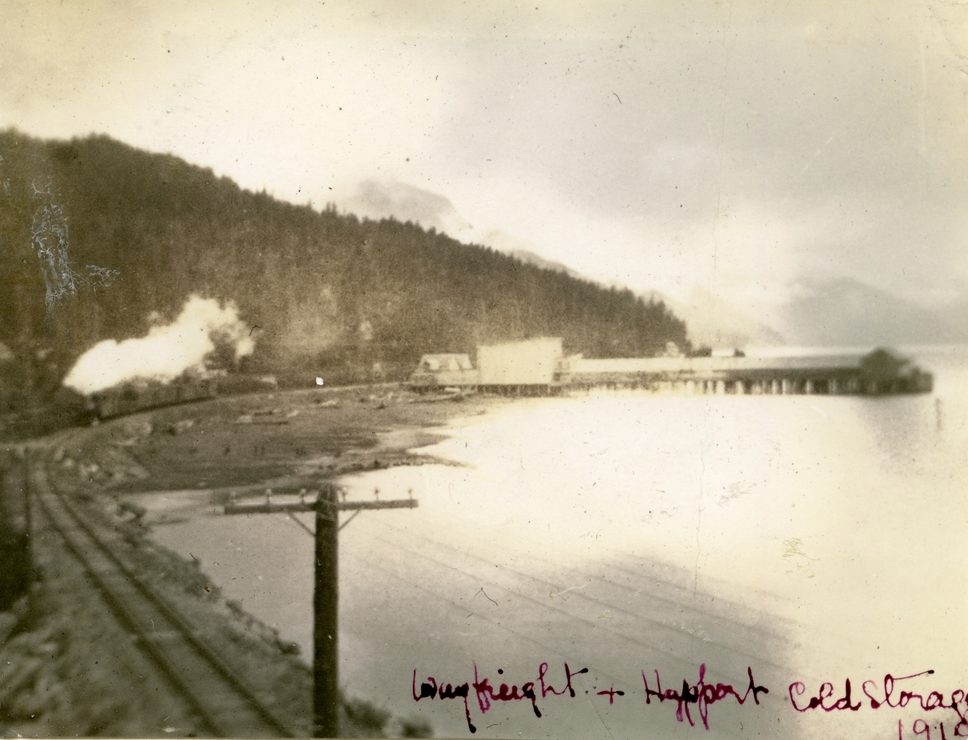
Inverness Cannery

Ladysmith Cannery
North Pacific Cannery
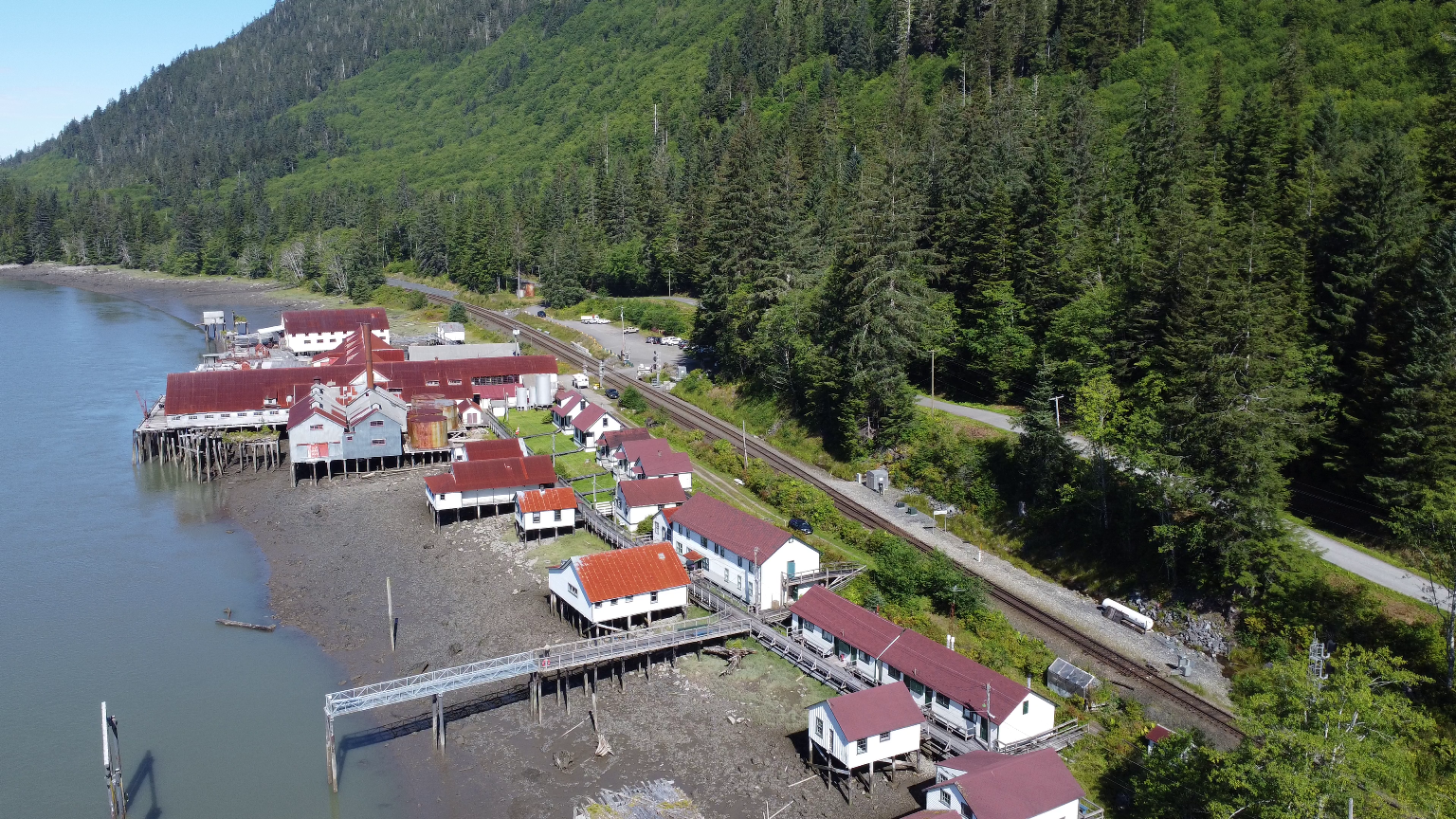
Oceanic Cannery
Skeena (Cunningham) Cannery

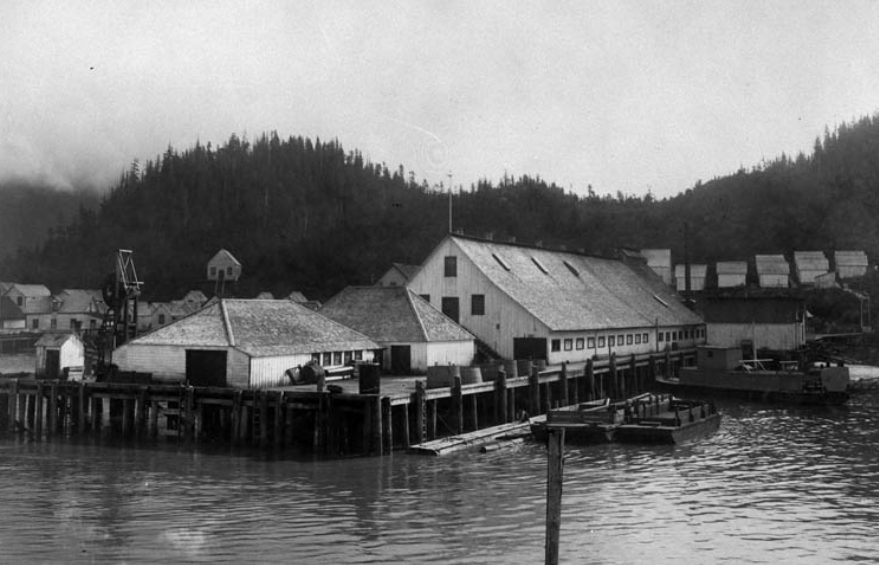
Skeena Commercial Cannery
Standard Cannery

Sunnyside Cannery
Source:
Blyth, Gladys Young Salmon Canneries: British Columbia North Coast, 2007
◀
