
Dorreen General Store and GTP Railway Station Site
by Kitimat Stikine Regional District
Statement of Significance
Description
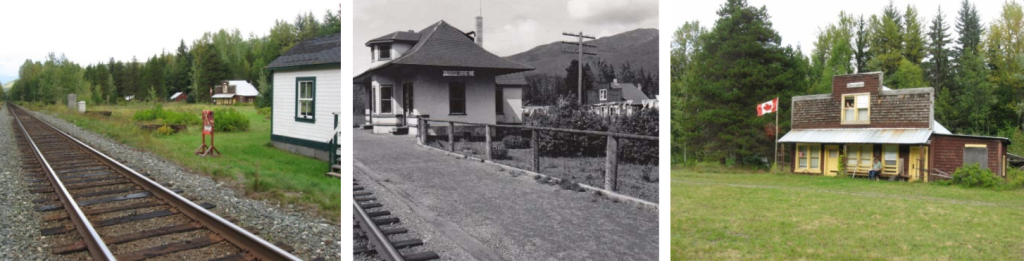
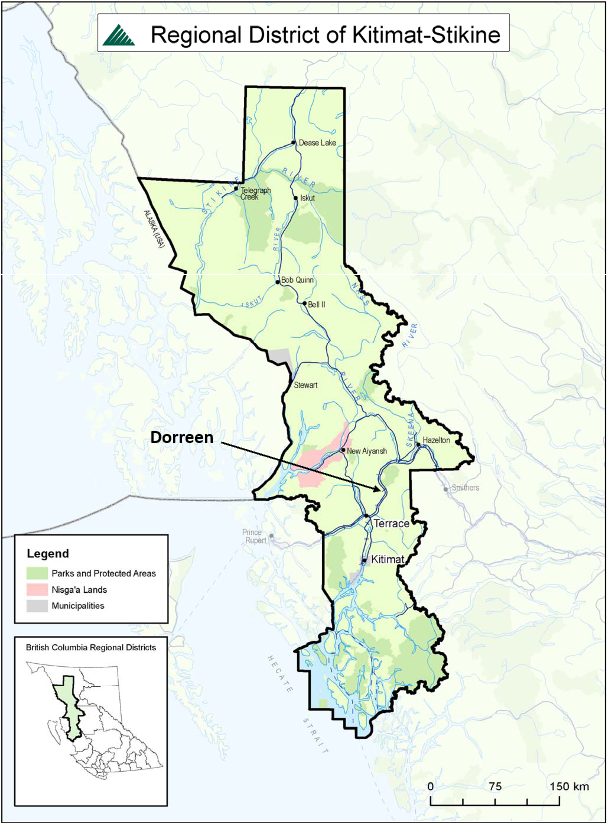
The Dorreen general store is a one and one-half storey wood framed gable‐roofed structure with a signature wooden parapet. The original Dorreen Grand Trunk Pacific railway station site is located adjacent to the CNR railway tracks, with traces of the original garden and wooden fence. The two related features are located in the community of Dorreen, in District Lot 2500 at railway mile 125.5 from Prince Rupert, about 48 km northeast of Terrace, in northwestern BC.
Heritage Values
The Dorreen general store and the site of the former Grand Trunk Pacific railway station are valued for their historical and cultural significance as links to a surviving settlement associated with the Grand Trunk Pacific railway, and in the relationship between the railway station, the store, and the general layout of the community of Dorreen.
Constructed between 1908 and 1914, the BC portion of the Grand Trunk Pacific (GTP) connecting the Canadian Prairies to the west coast at Prince Rupert, was considered to be the single most important influence on the opening up and development of central BC. In 1923, as a result of financial difficulties, the GTP was absorbed by the Crown corporation, Canadian National Railways.
The general store and railway station are valued as part of one of the few remaining GTP settlements along the Skeena River. District Lot 2500 was pre‐empted by Charles Carpenter in 1911 and the community was named after Ernest Dorreen, a GTP engineer who maintained a GTP construction camp at the same location.
Dorreen is important for its association with early economic development in the region. While nearby mining operations for silver, lead and zinc directly influenced the growth of the community, Dorreen also benefited economically from the construction of the railway. In an effort to attract settlers to central BC the GTP produced brochures advertising the region’s economic opportunities. Though many in the community were employed in mining and by the railway Dorreen’s population rarely exceeded fifty.
The GTP believed in strict standardization in the design of its stations. Constructed in 1913, the original station at Dorreen was built according to the GTP Standard Design A plan (CNR Plan 100‐152), the most common station design used by the GTP in western Canada. The station’s hipped roof with wide bellcast overhang, turret, and large banks of windows all contributed to the formal and aesthetic qualities of this standardized building type. The traditional location for GTP stations was on the north side of the railway tracks in order to take advantage of southern exposures. However, in Dorreen the tracks run north/south necessitating the siting of the station on the east side of the tracks. Its central
location in Dorreen was typical of GTP standardized planning. The station included a waiting room, agent’s office, a freight or crew bunk area and living space for the agent and his family. The station was demolished by the CNR in 1971.
Constructed around 1920, the Dorreen general store is important as a representative of early
settlement and services that sprung up along the railway. It is of utilitarian building construction with
a parapet false front designed to convey a commercial presence and importance in the community.
The expanse of front windows and two entry doors emphasize the commercial nature of the building,
which functioned as a store, post office, mining records office, an office of the justice of the peace
and a telegraph office, with a residence above. Constructed by original owner Thomas McCubbin, the
store was sold to William and Florence Horwill about 1935. Attesting to the importance of the store in
this remote location, the Horwills operated the store until 1960. Shortly after its closure, new owners
launched a short‐lived venture to use the building as a fishing lodge.
Both the store and station site attest to Dorreen’s local self‐sufficiency and agricultural potential.
Store owners farmed the land nearby, shipping bedding plants, fruit, vegetables and milk by train to
neighbouring communities, while the station manager attended a small garden on the south side of
the railway station growing vegetables and selling flower bulbs.
Difficult to access, Dorreen is valued for its nostalgia based on the role of the railway station and local
store as the heart of rural, northern communities, for its sense of place, and for its current residents’
ability to live an alternative lifestyle.
Character Defining Elements
Site, Setting and Landscape
● Location of the station and store on the south side of the Skeena River and north of the GTP tracks
● Current isolation of the community
● Relationship of the site of the original railway station to the railway tracks
● Location of the general store along the main pathway of the settlement and adjacent to the original railway station site
● Rectangular space defining the location of the original railway station and its associated garden
● Views from the general store to the railway tracks and across to the mountains
● Remains of the garden and associated elements behind the general store
Architectural Features: General Store
● Simple rectangular massing
● Two‐part front gable roof structure with false front parapet
● Window fenestration taking up most of the front façade
● Wooden windows in the front façade and the parapet, and on back and side building façades
● Insulbrick shingle style cladding
● Corrugated verandah roof with wooden posts
Sources:
Bohi, Charles W. and Leslie S. Kozma. Canadian National’s Western Stations. Markham, ON: Fitzhenry
and Whiteside, 2002.
Canadian National Historical Association. http://cnlines.ca/
History of the William Horwill family, Dorreen, B.C.
http://www.terracelibrary.ca/history1/dhorwill/index.html
Horwill, Denis. Terrace, B.C., Personal Communication.
Kalman, Harold. 1994. A History of Canadian Architecture Volume 2. Don Mills, ON: Oxford University
Press.
Kozma, Les. Edmonton, Alberta, Personal Communication.
Lower, J.A. “The Construction of the Grand Trunk Pacific Railway in British Columbia.” British Columbia
Historical Quarterly Vol. 4, No. 3, July 1940.
Lower, J.A. The Grand Trunk Pacific Railway in British Columbia. A thesis submitted in partial
fulfillment of the requirements for the degree of Master of Arts in the Department of History.
Vancouver: University of British Columbia, 1939.
Royal British Columbia Museum. Living Landscapes.
www.livinglandscapes.bc.ca/northwest/skeena_river/dorreen.htm
Sedgewick, Kent. “The East Line Section of the Grand Trunk Pacific Railway in Central British
Columbia.” BC History Vol. 3, No. 1, Spring 2010.
Skeena Valley Model Railroad Association. Terrace, B.C., Personal Communication
Smith, Alisa. “Hidden Homestead: The Lone Women of Dorreen.” Northward Summer 2005.
http://northword.ca/summer‐2005/dorreen
Stevenson, Jane. “Days of Dorreen.” Northward Feb/Mar 2012.

Approximate area of Dorreen heritage site.

Part of the Dorreen Subdivision Plan 1037 of District Lot 2500 register in May 1913 showing the Dorreen Railway Station located next to the Grand Trunk Pacific Railway at mile 125.5 from Prince Rupert.
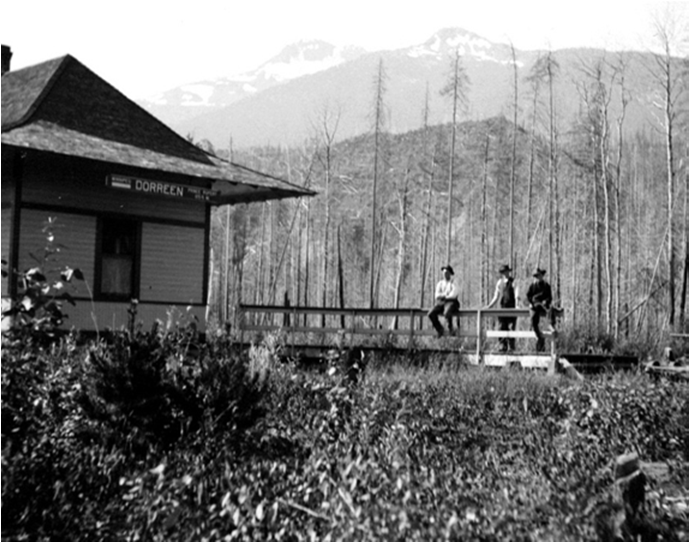
Dorreen Grand Trunk Pacific Railway Station c.1912 (BC Archives a‐06401)

Dorreen Railway Station with Dorreen store in background c.1940s (Denis Horwill collection)
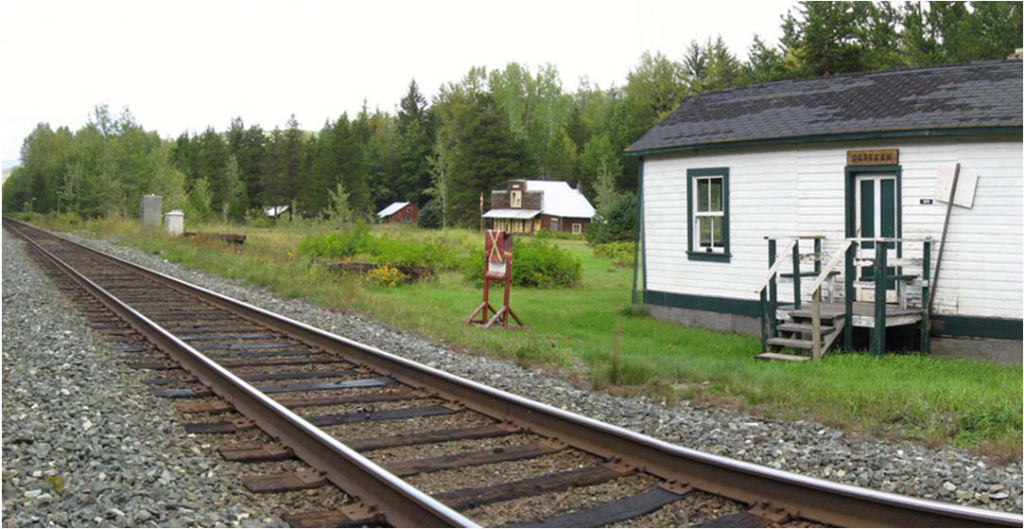
Current Dorreen Station next to CN Rail track with General Store in background. c. 2011

View of original Dorreen Railway Station and Mt. Knuass from in front of the Dorreen Store
c. 1940s or 1950s (Denis Horwill collection)
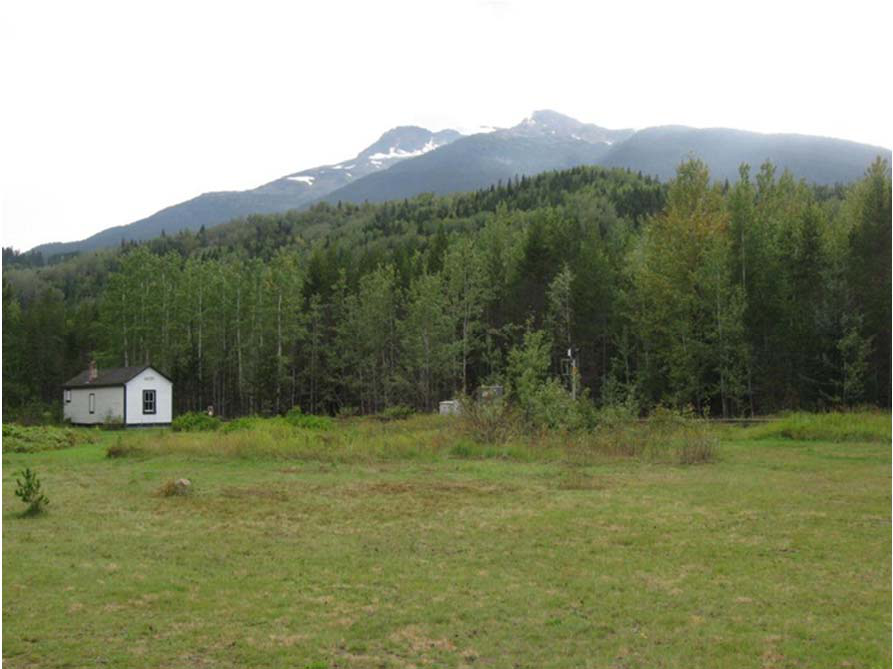
Dorreen Station situated left of the original Dorreen Station with Mt. Knuass in the background c. 2011
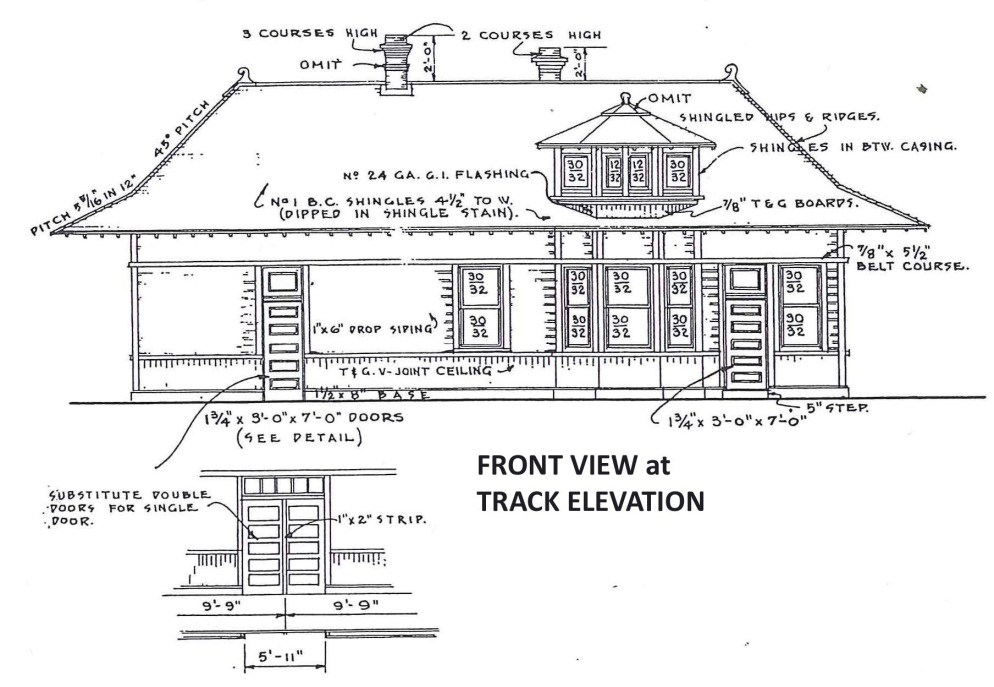
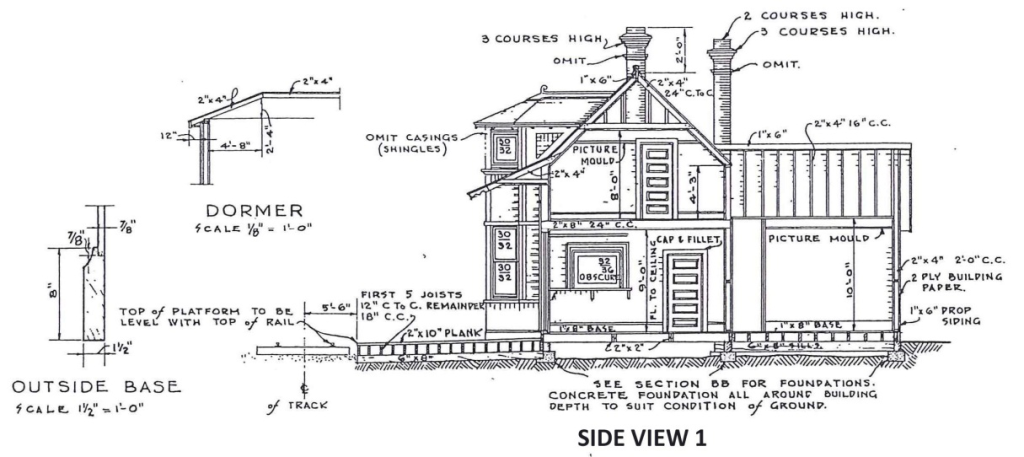
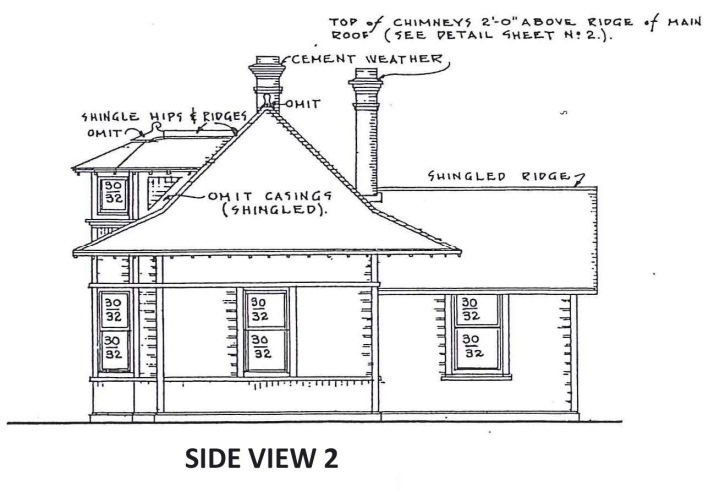
Dorreen Station was a Design “A” station, the most common type of station built by the Grand Trunk
Pacific (G.T.P.) Above are portions of the Canadian National Railways plans of the G.T.P. Design “A”
Plan 100‐152, Sheet 1 of 4. Plans traced from the original G.T.P. drawings dated September 10, 1910,
revised January 23, 1911. (Les Kozma Collection)
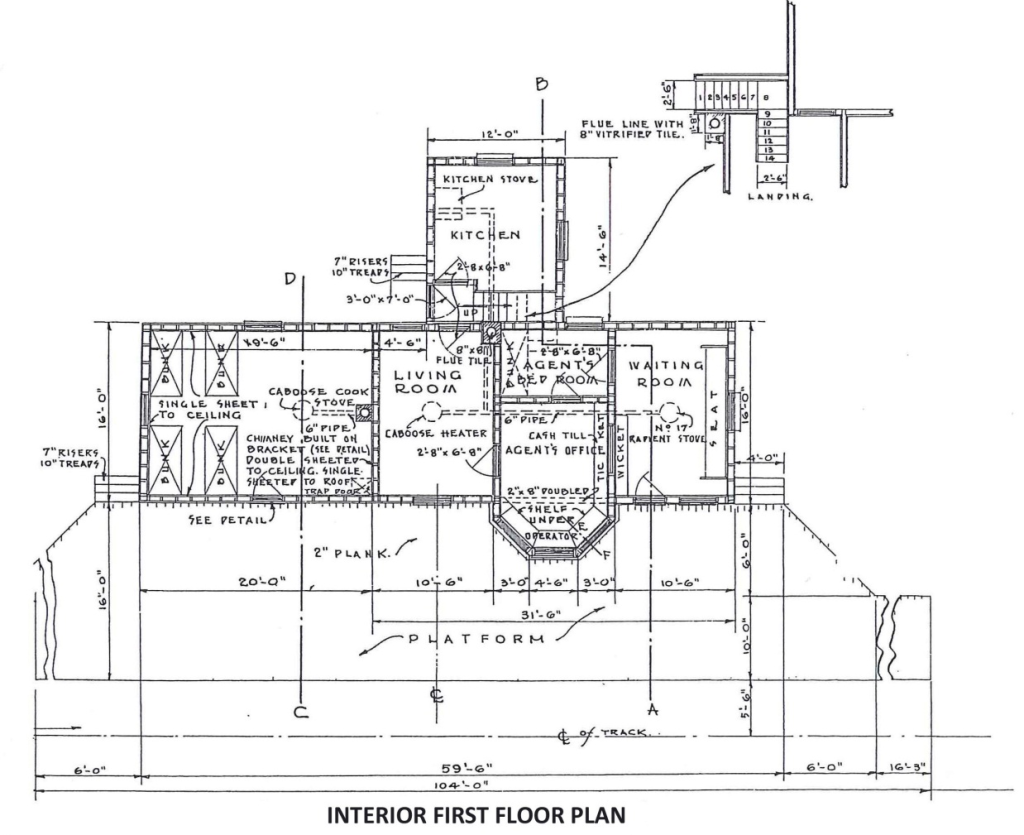
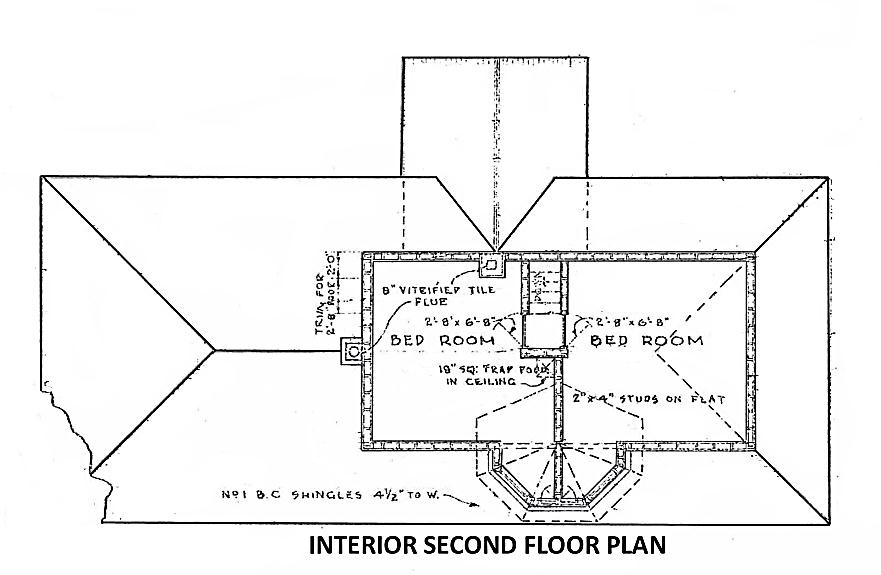
Above are portions of the Canadian National Railways plans of the G.T.P. Design “A” Station from Plan 100‐152,
Sheet 1 of 4, showing the typical interior floor plans for a G.T.P. Design “A” Station, such as the
Dorreen Station Plans traced from the original G.T.P. drawings dated September 10, 1910,
revised January 23, 1911. (Les Kozma Collection)
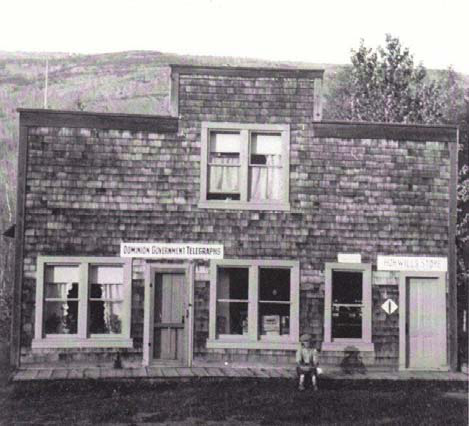
Dorreen General Store c. 1930s (Denis Horwill collection)

Dorreen General Store, c.2011
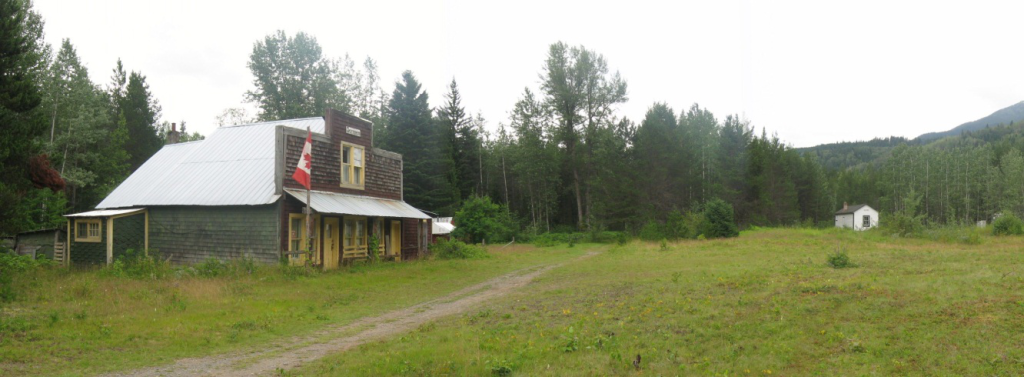
Dorreen General Store with Railway Station in background c. 2011
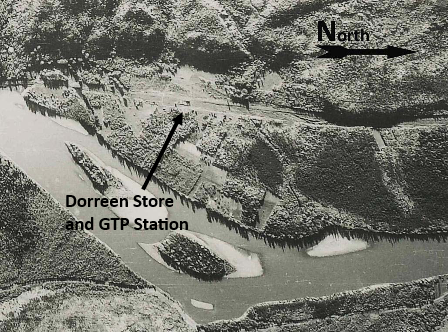
Aerial view of Dorreen in 1947 (BC Government photo BC 444:102)
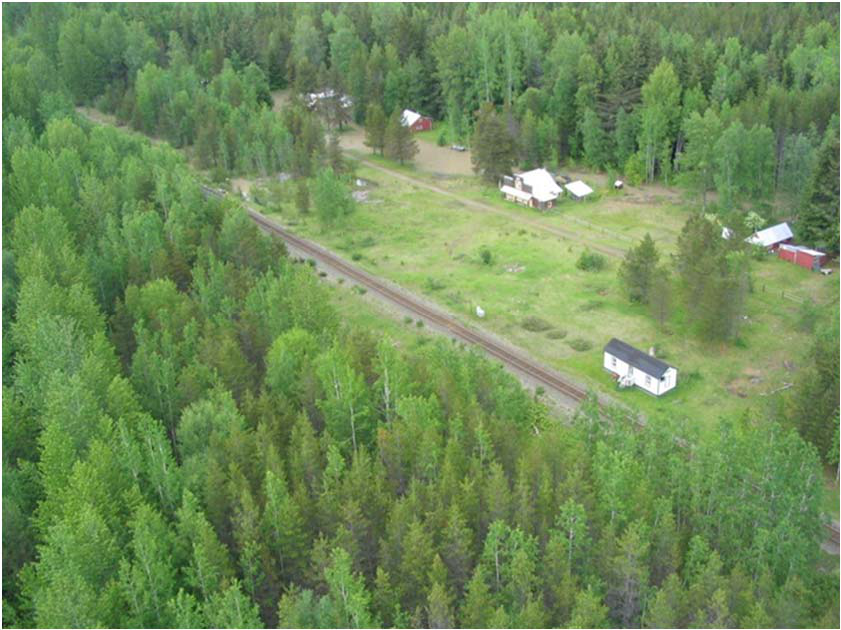
Aerial view of Dorreen store and current railway station c. 2007
You can download this document in PDF format from the Regional District website:
https://www.rdks.bc.ca/our_region/heritage_culture/heritage_sites
◀
